

Every Child Deserves to Feel Safe
CHILD EMDR THERAPIST
Therapy provides a place to process difficult experiences, strengthen connection, and help children feel more confident, secure, and understood.

Supporting Growth, Play & Resilience
Children heal in the context of safe, connected relationships. Therapy is grounded in an attachment-based, relational approach that honors each child's unique experiences, strengths, and developmental needs.
Rather than focusing only on behaviors or symptoms, the goal is to understand what's happening underneath them. Through play, connection, EMDR, and nervous-system focused care, children are supported in making sense of difficult experiences while building greater confidence, resilience, and emotional safety.


WORKING WITH CHILDREN
Trauma Therapy For Children
Therapy is tailored to each individual child's developmental needs, personality, and experiences. These approaches help children process difficult emotions, build resilience, strengthen relationships, and experience greater emotional safety.
PEDIATRIC EMDR
Help children process traumatic experiences, fears, worries, and difficult memories through a developmentally appropriate approach designed specifically for children
DIRECTIVE PLAY THERAPY
Play creates opportunities for children to express thoughts, feelings, and experiences that may be difficult to put into words.
SAND TRAY EMDR
Integrate storytelling, imagination, and symbolic play with EMDR techniques to support deeper processing and healing.
SYNERGETIC PLAY THERAPY
Using the therapeutic relationship, nervous system awareness, and play to help children build emotional regulation and resilience.
RELATIONAL PARENT SUPPORT
Strengthen connection, improve understanding, and create greater confidence in responding to your child's needs.
HOME-BASED THERAPY
Available on a limited, case-by-case basis for medically complex children and families when clinically appropriate.
CIRCLE OF SECURITY FACILITATION
Learn practical ways to strengthen attachment, build trust, and support your child's emotional development.
HOW DOES EMDR WORK FOR CHILDREN?
Pediatric Trauma Therapy
Children don't always have the words to explain what they've been through, but their nervous systems remember. EMDR helps children process difficult experiences in ways that feel developmentally appropriate, engaging, and safe.
Using play, imagination, storytelling, art, movement, and bilateral stimulation, children can work through distressing memories, feelings, and beliefs without repeatedly retelling painful experiences. The process is carefully adapted to each child and paced according to their needs.
Pediatric EMDR may help children experiencing:
Medical procedures or hospitalizations
Accidents or injuries
Loss, grief, or separation
Attachment disruptions
Anxiety, fears, and worries
Bullying or school stress
Developmental or early childhood trauma
Witnessing conflict between caregivers
Exposure to frightening or overwhelming event
SUPPORT FOR CAREGIVERS
Parents & Families Are Part Of The Process, Too
Caregivers Are Not On The Sidelines
Parents and caregivers play an important role in a child's healing. Therapy isn't just about what happens in the therapy room. It's also about strengthening the relationships that help children feel safe, understood, and supported in everyday life.
As your understanding grows, you'll begin to recognize the difference between behaviors that need correction and responses rooted in stress, overwhelm, or trauma. Along the way, you'll gain practical tools, greater confidence, and a deeper connection with your child.
Relational Parent Coaching
Sometimes the most meaningful changes begin with supporting the adults caring for the child. Relational Parent Coaching focuses on strengthening connection, increasing understanding, and helping you respond to challenges with greater clarity and confidence.
Grounded in attachment and nervous system awareness, coaching helps you better understand what's happening beneath the surface while building skills that support regulation, communication, and trust throughout your relationship.
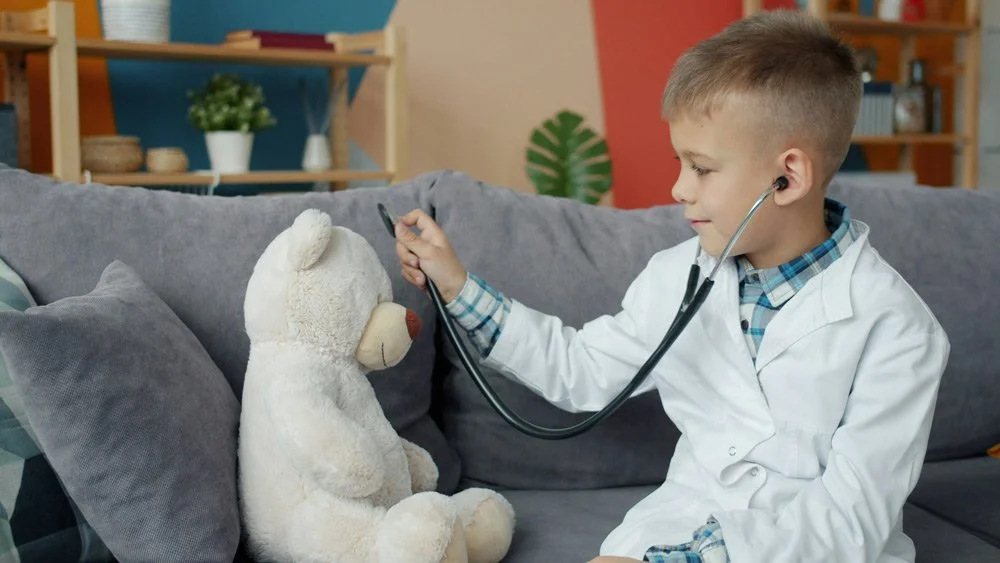
Medical Trauma Therapy
Parenting a medically complex child brings unique challenges that many families feel are difficult for others to fully understand. Medical procedures, hospitalizations, chronic illness, uncertainty, and advocacy within larger systems can leave lasting impacts on both children and caregivers.
Therapy focuses on supporting the entire family while helping children develop a greater sense of safety, agency, and resilience. Care is grounded in relationship, co-regulation, and an understanding of the unique realities medically complex families face.
Progress may look like:
Less distress around medical appointments
Greater ability to express fears and feelings
Increased moments of play, curiosity, and connection
Improved confidence for caregivers
Reduced nervous system overwhelm
Home-based therapy may be available on a case-by-case basis when clinically appropriate.

Pricing
YOUR INVESTMENT IN HEALING
Transparency is an important part of building trust in therapy, and knowing the cost of services upfront can help you make informed decisions about your care.
$180 | 50-Minute Individual Child Therapy Session
$220 | 50-Minute Parent Coaching Session

A NOTE ABOUT INSURANCE
Korell Safe Harbor Therapy is not in-network with commercial insurance plans. This allows treatment to remain focused on your child's individual needs rather than insurance requirements, diagnoses, or session limitations.
If you have out-of-network benefits, a superbill can be provided for possible reimbursement through your insurance provider.

YOU DON’T HAVE TO DO THIS ALONE
Support For Children, Caregivers, & Families
Reaching out for help can feel overwhelming, especially when you're carrying concerns for your child. A free consultation provides an opportunity to talk through what's going on, ask questions, and explore whether therapy feels like the right next step for your family.